
No products in the cart.: $0.00

On Sale!


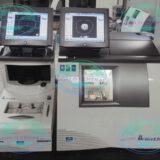
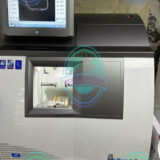
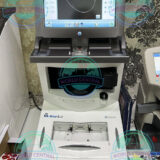
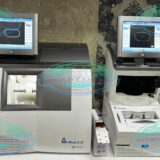
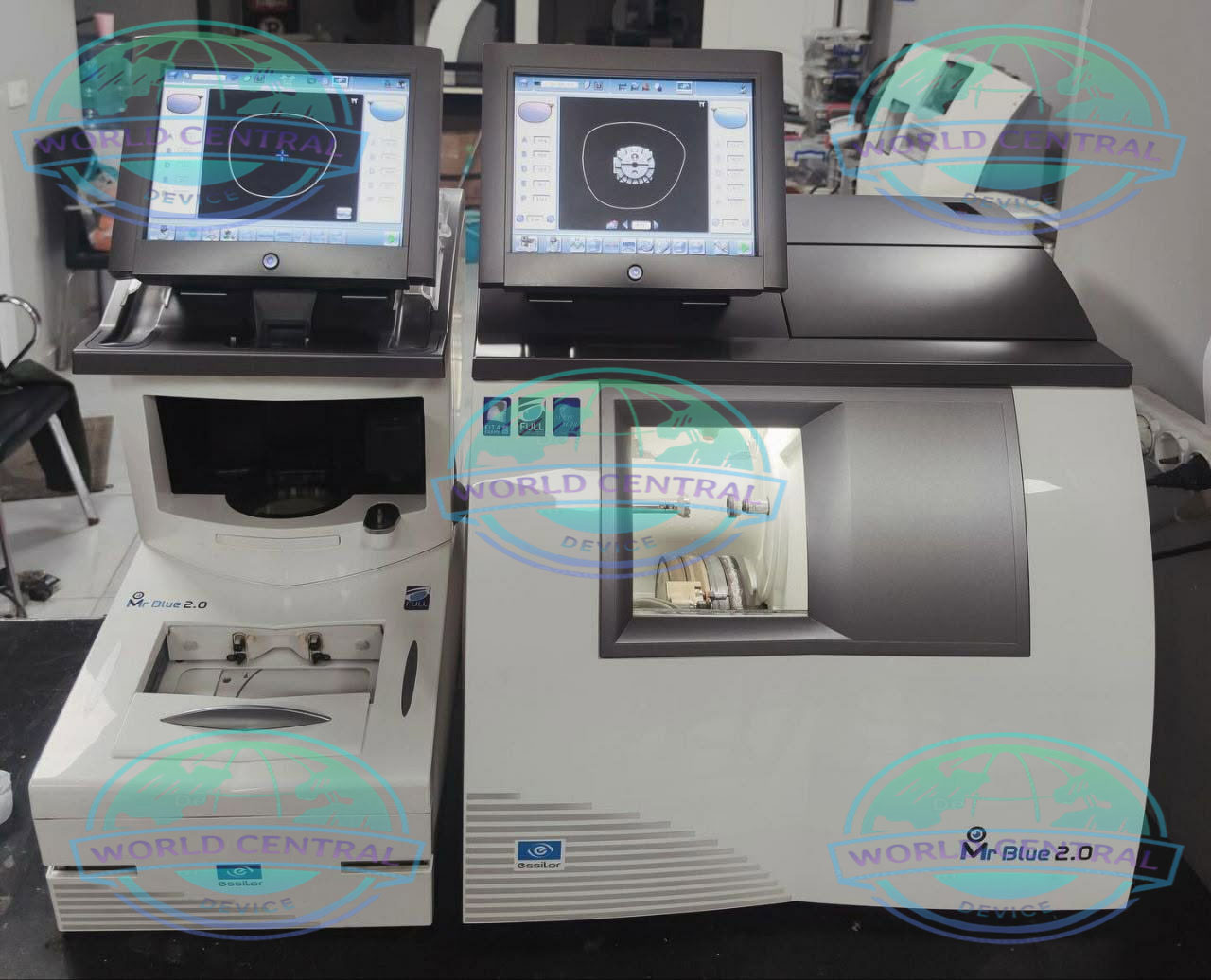
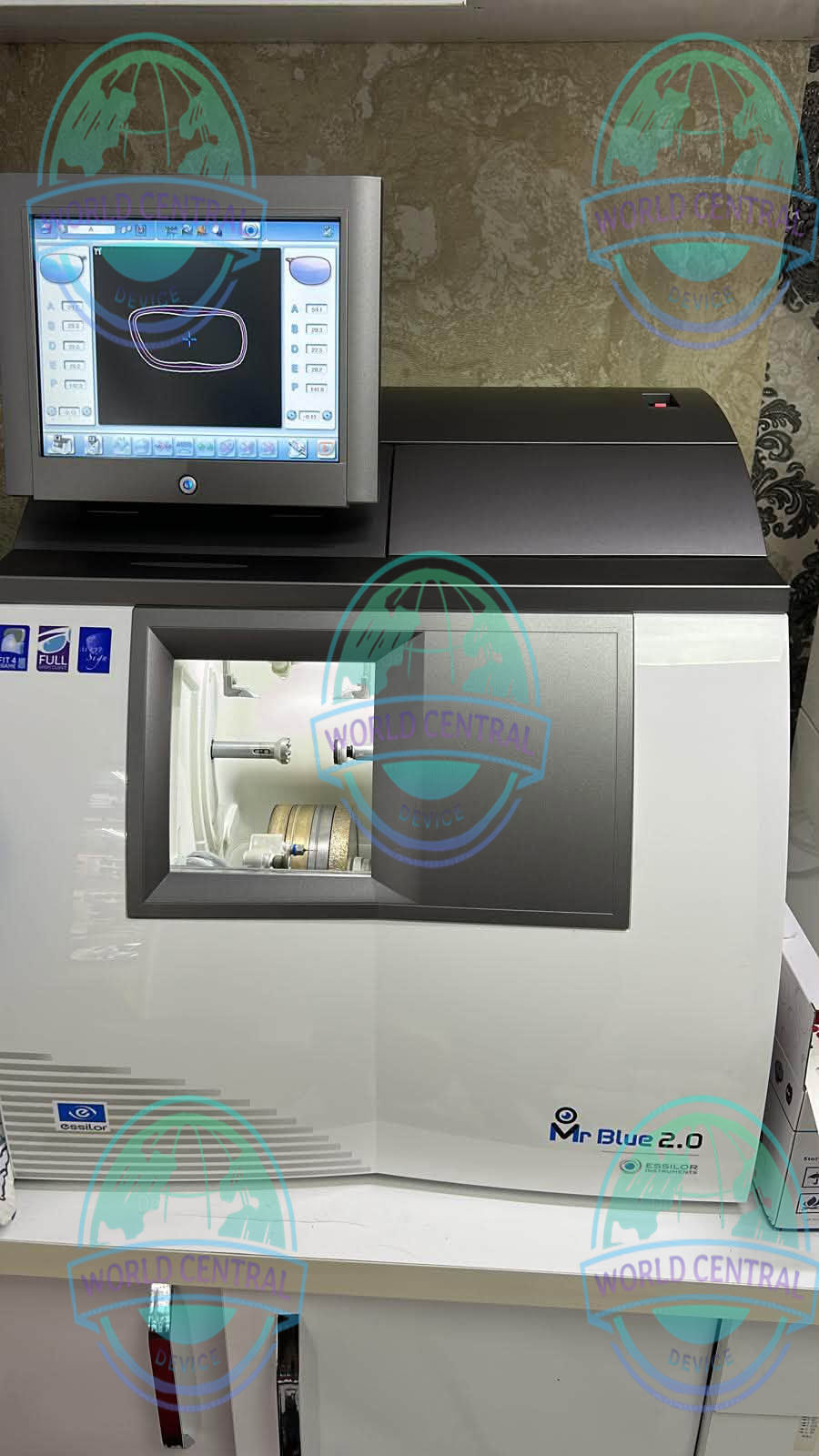
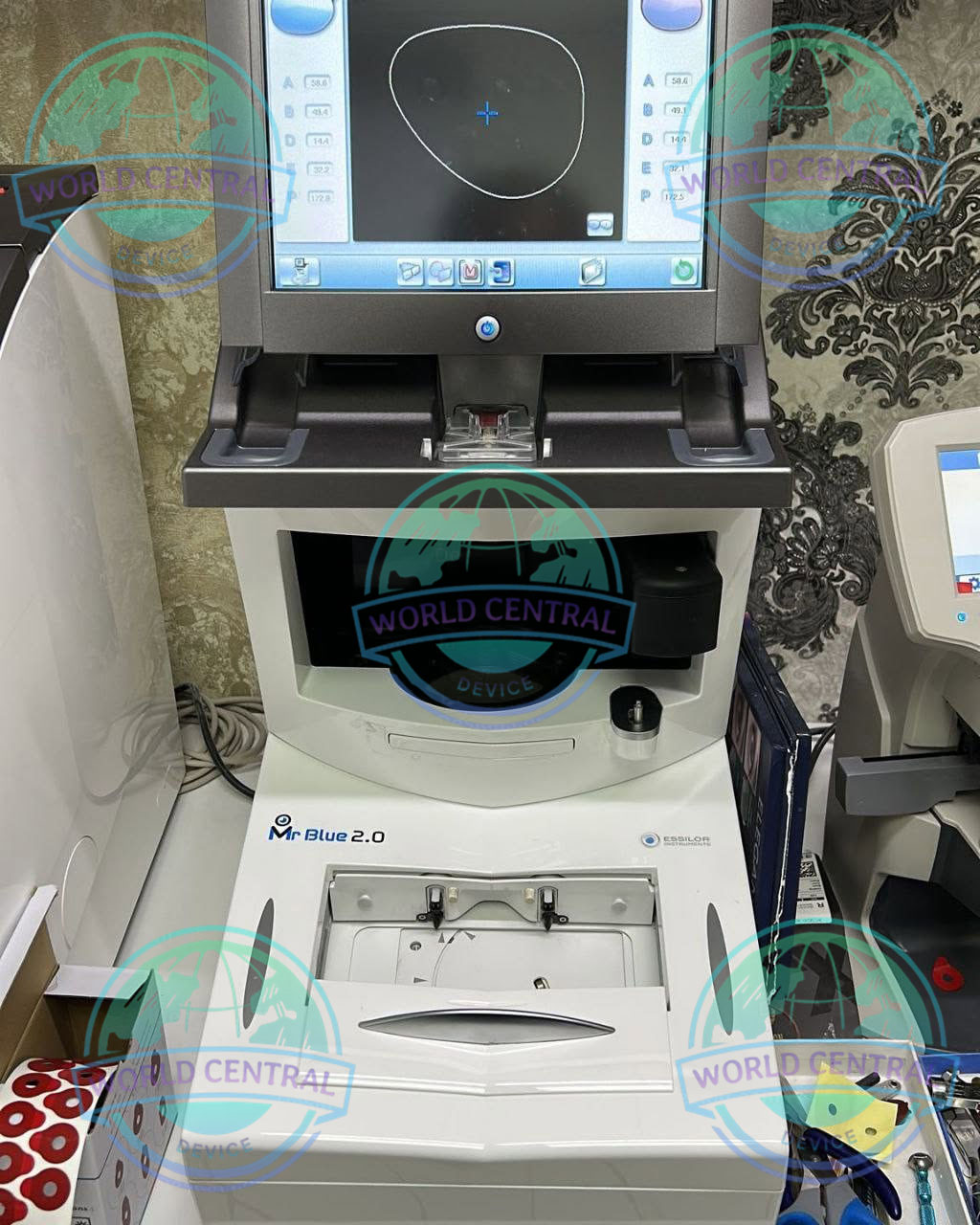
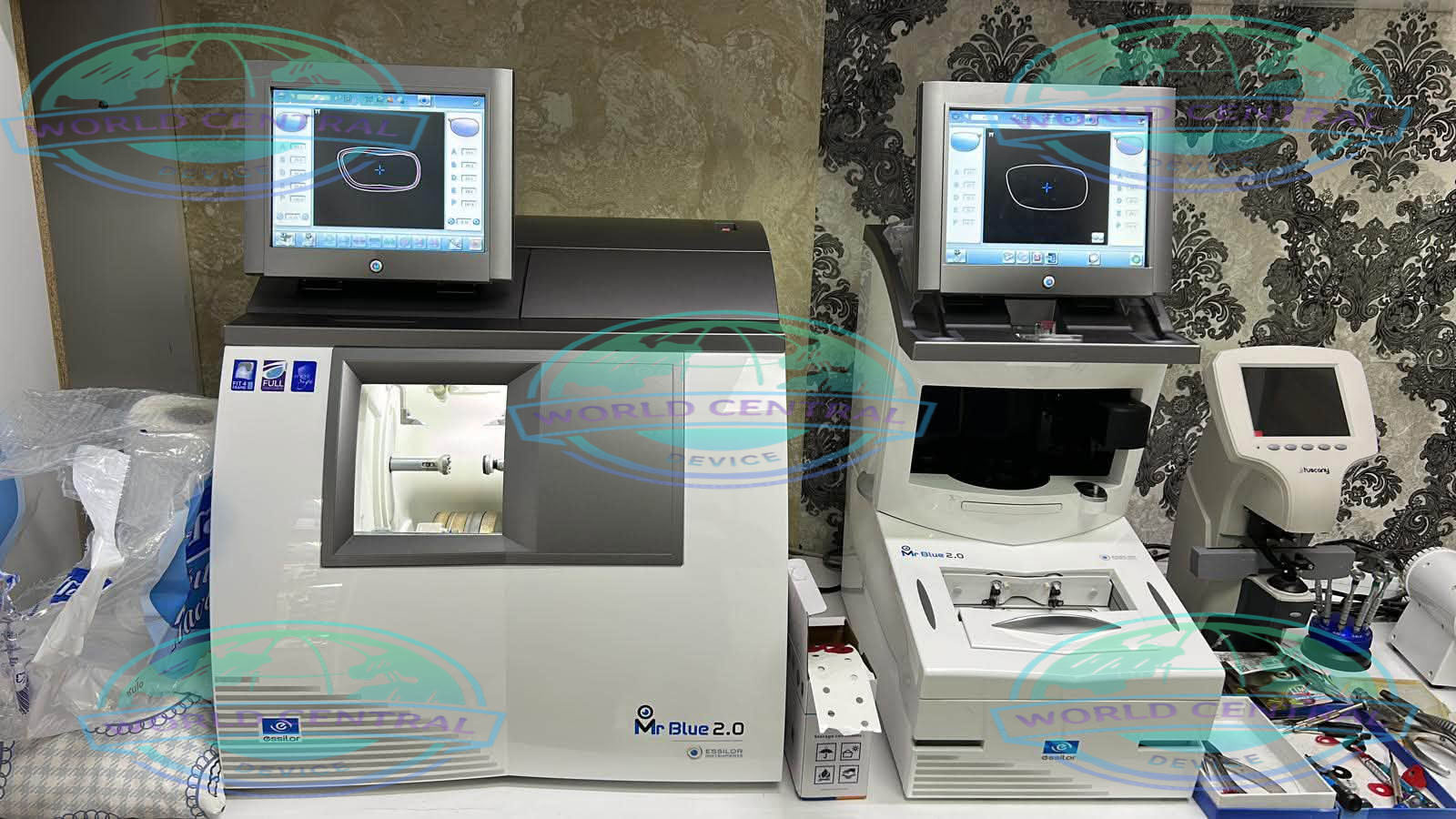
Essilor Mr. Blue 2.0 – Blue Light Protection
Essilor Mr. Blue 2.0 is a professional digital ophthalmic lens edging system featuring hybrid grinding and milling technology, automatic lens processing, advanced beveling, grooving, drilling, polishing, and M’EYE Sign engraving capabilities.
Delivery and return
Delivery and return
Shipping Information
Shipping Information
Composition and care
Composition and care
Description
Essilor Mr. Blue 2.0 – Advanced Digital Lens Edging and Optical Processing System
The Essilor Mr. Blue 2.0 is an advanced ophthalmic lens edging system developed by Essilor to support professional optical laboratories, optical retailers, and eyewear manufacturing environments. Designed to deliver accurate lens shaping, customized finishing, and efficient production workflows, this system combines digital tracing, precision centering, automatic lens processing, and advanced edging technologies.
Engineered to accommodate a wide range of prescription lens materials and frame designs, the Mr. Blue 2.0 provides comprehensive processing capabilities, including beveling, grooving, drilling, polishing, chamfering, and specialized high-base curve finishing.
Its integrated technology helps optical professionals produce accurately fitted lenses while maintaining consistent finishing quality across different prescriptions, lens geometries, and frame configurations.
The system can also process compatible lenses featuring specialized optical treatments, including blue-light filtering coatings. However, blue-light protection is a property of the lens material or coating, not a filtering function performed by the Mr. Blue 2.0 machine.
What Is the Essilor Mr. Blue 2.0?
The Essilor Mr. Blue 2.0 is a professional digital lens edging and finishing platform designed to transform optical lens blanks into precisely shaped lenses ready for installation into eyeglass frames.
Unlike conventional manual edging equipment, this system integrates advanced mechanical processing with digital control technologies. It enables optical technicians to manage lens dimensions, edge profiles, drilling positions, and finishing parameters through an integrated touchscreen interface.
The system is designed to support different optical applications, including:
- Single-vision prescription lenses.
- Progressive ophthalmic lenses.
- Bifocal and multifocal lenses.
- High-index prescription lenses.
- Polycarbonate lenses.
- Trivex lenses.
- Specialized coated optical lenses.
- High-base curve sports eyewear.
- Rimless and semi-rimless eyewear applications.
With its flexible processing capabilities, the Mr. Blue 2.0 is suitable for optical businesses seeking to improve production accuracy, expand customization options, and optimize their lens finishing operations.
Key Features of Essilor Mr. Blue 2.0
1. Advanced Digital Lens Edging Technology
The Mr. Blue 2.0 incorporates digital lens edging technology designed to deliver controlled and accurate lens shaping.
Its hybrid grinding and milling approach supports different processing requirements, allowing technicians to work with various lens materials and geometries.
Key advantages include:
- Accurate lens contour processing.
- Controlled material removal.
- Adjustable edging parameters.
- Support for customized lens profiles.
- Consistent finishing across different frame designs.
2. Hybrid Grinding and Milling Technology
One of the system’s important characteristics is its hybrid edging technology, combining grinding and milling processes.
This technology provides greater control over lens shaping and allows the machine to accommodate different processing requirements.
The milling function supports roughing operations, while the edging wheels perform additional finishing procedures according to the selected configuration.
3. Automatic Lens Centering and Blocking
Accurate lens positioning is essential for producing prescription eyewear.
The Mr. Blue 2.0 system can work with an integrated tracer-centerer-blocker configuration to support lens measurement, centering, and blocking.
Depending on the system configuration, available capabilities include:
- Automatic frame initialization.
- Digital frame measurement.
- Optical and mechanical tracing.
- Automatic centering.
- Lens blocking.
- Binocular frame tracing.
- Shape storage and retrieval.
4. Full High Curve Technology
Full High Curve technology is designed to support demanding high-base frame applications, particularly sports eyewear.
The system accommodates complex lens geometries and helps maintain accurate edging and finishing for curved frames.
Documented capabilities include:
- Binocular 3D tracing of full-rim frames up to base curve 9.
- Specialized processing for high-base lenses.
- Drilling and grooving tool inclination up to 30 degrees.
- Roughing adaptation for lenses up to base curve 10.
5. Multiple Lens Finishing Options
The Mr. Blue 2.0 supports various finishing methods to accommodate different frame construction styles.
Available finishing processes include:
- Automatic beveling.
- Customized beveling.
- High-base beveling.
- Step beveling.
- Flat-edge finishing.
- Automatic grooving.
- Customized grooving.
- Drilling.
- Polishing.
- Front and rear chamfering.
6. M’EYE Sign Engraving Technology
The M’EYE Sign function provides additional customization possibilities for compatible lenses.
It allows optical professionals to create personalized engravings and decorative markings through an integrated engraving workflow.
Potential applications include:
- Personalized lens identification.
- Decorative engraving.
- Custom visual markings.
- Optical retail branding.
- Specialized lens customization.
7. Intelligent Touchscreen Interface
The integrated color touchscreen provides access to machine settings, processing parameters, job management, and maintenance functions.
The interface is designed to simplify workflow management and allow operators to adjust lens finishing parameters according to individual requirements.
8. Integrated Maintenance and Diagnostics
The system includes maintenance-oriented functions designed to support equipment reliability.
Documented capabilities include:
- Automatic self-calibration.
- Integrated autotests.
- Tool wear indicators.
- Automatic wheel cleaning.
- Technical history and error monitoring.
- Remote maintenance capabilities, depending on configuration.
General System Specifications
| Specification | Technical Details |
|---|---|
| Brand | Essilor |
| Manufacturer | Essilor International |
| Product Name | Mr. Blue 2.0 |
| Product Category | Ophthalmic Lens Edging System |
| Equipment Type | Digital Automatic Lens Edger |
| Main Application | Prescription Lens Processing |
| Operating Technology | Hybrid Grinding and Milling |
| Processing Control | Digital Electronic Control |
| User Interface | Integrated Color Touchscreen |
| Display Size | 10 inches |
| Operating Mode | Automatic and Customized Processing |
| Lens Positioning | Boxing Mode (Passive) |
| Initialization | Automatic Initialization |
| Lens Surface Measurement | Simultaneous Front and Rear Surface Feeling |
| Tool Monitoring | Tool Wear Indicators |
| Processing Preview | 3D Bevel and Groove Preview |
| Automatic Learning | Self-Learning of Work Habits |
| Processing Adjustment | Material-Dependent Edging Pressure |
| Maintenance System | Integrated Automatic Maintenance |
| Self-Calibration | Supported |
| Automatic Diagnostics | Integrated Autotests |
Lens Processing Specifications
| Processing Function | Technical Specifications | Application |
|---|---|---|
| Automatic Beveling | Supported | Standard lens mounting |
| Customized Beveling | Supported | Individual frame requirements |
| High-Base Beveling | Supported | Curved and sports frames |
| Step Beveling | Supported | Specialized frame grooves |
| Flat-Edge Finishing | Supported | Flat-edge lens applications |
| Automatic Grooving | Supported | Semi-rimless eyewear |
| Customized Grooving | Supported | Customized groove positioning |
| Drilling | Supported | Rimless eyewear |
| Polishing | Supported | Smooth lens-edge finishing |
| Chamfering | Front and rear surfaces | Edge refinement |
| Mixed Finishing | Supported | Multiple finishing requirements |
| Engraving | M’EYE Sign technology | Compatible lens personalization |
| Lens Shape Modification | Supported | Customized lens geometry |
| 3D Processing Preview | Supported | Pre-processing inspection |
Beveling Specifications
| Parameter | Technical Specification |
|---|---|
| Automatic Beveling | Available |
| Customized Beveling | Available |
| Automatic Bevel Height | 0.30–0.75 mm |
| Frame Base Tracking | Supported |
| Rim Tracking | Supported |
| Distributed Bevel | Supported |
| Front Surface Tracking | Supported |
| Rear Surface Tracking | Supported |
| Partial Adjustment | Supported |
| Global Adjustment | Supported |
| Bevel Curve Displacement | Supported |
| Distributed Bevel Adjustment Step | 0.10 mm or 5% |
| High-Base Shelf Bevel Range | 0.25–2.00 mm |
| High-Base Shelf Bevel Adjustment Step | 0.05 mm |
| High-Base Flat-Side Bevel Range | 0.10–1.00 mm |
| High-Base Flat-Side Adjustment Step | 0.10 mm |
| Flat-Side Position Relative to Front Surface | 0–1.30 mm |
| Step Bevel Shelf Range | 0.25–3.00 mm |
| Step Bevel Shelf Adjustment Step | 0.05 mm |
| Step Bevel Flat-Side Range | 0.10–1.00 mm |
| Step Bevel Flat-Side Adjustment Step | 0.10 mm |
| Step Bevel Position Relative to Front Surface | 0–1.30 mm |
Grooving Specifications
| Parameter | Technical Specification |
|---|---|
| Automatic Grooving | Available |
| Customized Grooving | Available |
| Groove Width | 0.60–1.20 mm |
| Groove Width Adjustment Step | 0.05 mm |
| Groove Depth | 0.20–1.20 mm |
| Groove Depth Adjustment Step | 0.05 mm |
| Frame Base Tracking | Supported |
| Distributed Groove | Supported |
| Front Surface Tracking | Supported |
| Rear Surface Tracking | Supported |
| Partial Groove Adjustment | Supported |
| Global Groove Adjustment | Supported |
| Groove Curve Displacement | Supported |
| Distributed Groove Adjustment | 0.10 mm or 5% |
Drilling Specifications
| Parameter | Technical Specification |
|---|---|
| Automatic Drilling | Supported |
| Customized Drilling | Supported |
| Drilling Angle Adjustment | Automatic according to lens curve |
| Maximum Tool Inclination | 30° |
| Drilling Angle Adjustment Step | 0.5° |
| Hole Diameter Range | 0.80–3.00 mm |
| Hole Diameter Adjustment Step | 0.05 mm |
| Maximum Drilling Points | 20 per lens |
| Through-Hole Drilling | Supported |
| Non-Through-Hole Drilling | Supported |
| Straight Notch | Supported |
| Tilted Notch | Supported |
| Slot Drilling | Supported |
| Spot-Facing | Supported |
| No-Drill Area | 27 mm diameter from boxing center |
Chamfering Specifications
| Parameter | Technical Specification |
|---|---|
| Front Surface Chamfering | Supported |
| Rear Surface Chamfering | Supported |
| Adjustable Chamfer | Supported |
| Default Thin Chamfer | 0.20 mm |
| Default Thick Chamfer | 0.40 mm |
| Chamfer Precision Adjustment | -0.40 to +0.40 mm |
Lens Capacity and Material Compatibility
| Parameter | Technical Specification |
|---|---|
| Maximum Lens Diameter | 110 mm |
| Maximum Diameter with 10 mm Decentration | 90 mm |
| Minimum B-Dimension for Flat Edge | 17 mm |
| Minimum B-Dimension for Bevel | 18.5 mm |
| Lens Processing Configuration | 3-Wheel or 4-Wheel Version |
| Standard Plastic Lenses | Supported |
| CR-39 Lenses | Supported |
| Polycarbonate Lenses | Supported |
| Medium-Index Lenses | Supported |
| High-Index Lenses | Supported |
| Trivex Lenses | Supported |
| Glass Lenses | Supported |
| Lens Polishing | Supported, subject to material and wheel configuration |
| Specialized Coated Lenses | Compatibility depends on coating and lens specifications |



There are no reviews yet.