
No products in the cart.: $0.00

On Sale!
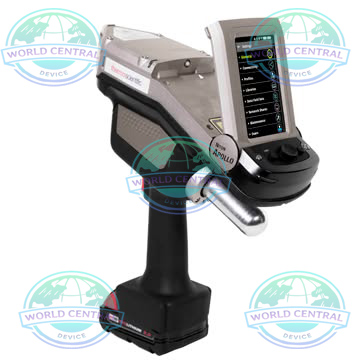

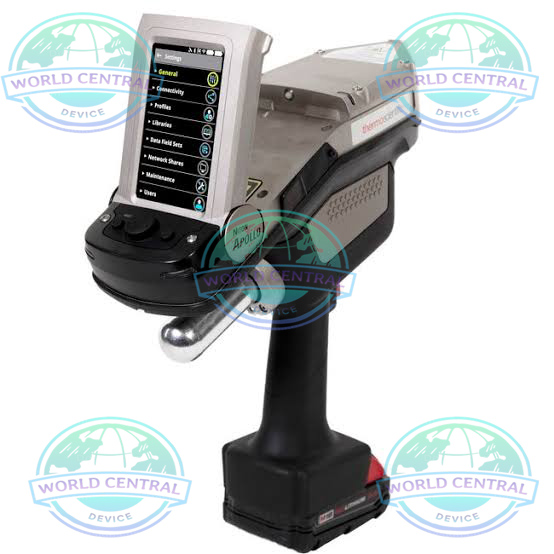
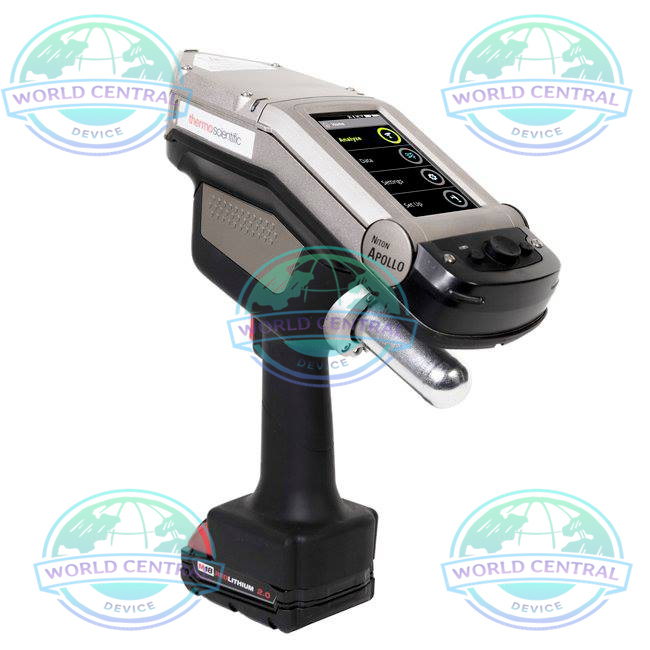
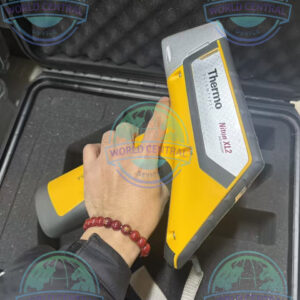
Thermo Scientific Niton Portable LIBS Analyzer
The Thermo Scientific Niton Apollo Handheld LIBS Analyzer delivers fast and accurate portable carbon and alloy analysis using advanced LIBS technology for PMI, QC, and metal inspection applications.
Delivery and return
Delivery and return
Shipping Information
Shipping Information
Composition and care
Composition and care
Description
Thermo Scientific Niton Portable LIBS Analyzer
Advanced Handheld Metal Analysis with LIBS Technology
The Thermo Scientific Niton Apollo Handheld LIBS Analyzer is a next-generation portable elemental analyzer designed for fast alloy identification, carbon analysis, and Positive Material Identification (PMI) in industrial environments. Built using Laser-Induced Breakdown Spectroscopy (LIBS) technology, this handheld analyzer delivers rapid, highly accurate metal composition testing directly in the field.
Engineered for demanding applications such as petrochemical inspection, metal fabrication, aerospace quality control, power generation, and scrap metal recycling, the Niton Apollo provides laboratory-level performance in a compact handheld platform.
Unlike conventional portable XRF analyzers, the Niton Apollo LIBS analyzer can accurately detect low carbon concentrations in steels and stainless alloys, making it ideal for differentiating L-grade and H-grade materials.
Why Choose the Thermo Scientific Niton Apollo LIBS Analyzer?
Portable Carbon Analysis Without Laboratory Equipment
Traditional Optical Emission Spectroscopy (OES) systems are bulky and difficult to transport. The Niton Apollo transforms carbon analysis into a truly portable operation, enabling inspectors and technicians to analyze metals onsite within seconds.
Key Advantages
- Fast elemental analysis in approximately 10 seconds
- Portable handheld design
- Accurate carbon detection
- Real-time alloy identification
- Built-in GPS and cameras
- Rugged IP54-rated housing
- Hot-swappable battery system
- Wireless connectivity with NitonConnect software
- Safe Class 3B laser interlock system
The analyzer is specifically optimized for:
- Carbon steel analysis
- Stainless steel verification
- PMI inspections
- Weld inspection
- Scrap sorting
- Material verification
- Incoming and outgoing QC inspection
What is LIBS Technology?
Understanding Laser-Induced Breakdown Spectroscopy
LIBS (Laser-Induced Breakdown Spectroscopy) is an advanced analytical method that uses a highly focused laser pulse to create plasma on the material surface.
The emitted light spectrum is analyzed to determine the elemental composition of the sample.
LIBS Process Overview
- Laser pulse strikes the sample surface
- Plasma is generated
- Excited atoms emit characteristic wavelengths
- Spectrometer detects emitted light
- Software calculates elemental composition
This technology enables ultra-fast metal analysis without requiring large laboratory instruments.
Main Features of the Thermo Scientific Niton Apollo
Fast Carbon Detection
One of the most important capabilities of the Niton Apollo is accurate low-carbon analysis in steel alloys.
Detectable Elements
Stainless Steel Mode
- Carbon (C)
- Aluminum (Al)
- Silicon (Si)
- Titanium (Ti)
- Vanadium (V)
- Chromium (Cr)
- Manganese (Mn)
- Cobalt (Co)
- Nickel (Ni)
- Copper (Cu)
- Niobium (Nb)
- Molybdenum (Mo)
- Tungsten (W)
Low Alloy / Carbon Steel Mode
- Carbon (C)
- Aluminum (Al)
- Silicon (Si)
- Titanium (Ti)
- Vanadium (V)
- Chromium (Cr)
- Manganese (Mn)
- Nickel (Ni)
- Copper (Cu)
- Molybdenum (Mo)
- Tungsten (W)
Lightweight Portable Design
The analyzer is ergonomically designed for extended field operation.
Benefits
- Easier access to confined areas
- Better handling during long inspections
- Improved mobility in industrial plants
- Reduced operator fatigue
Its tapered nose design helps operators inspect welds, corners, joints, pipes, and difficult surfaces more effectively.
Wireless Connectivity and Smart Data Management
The analyzer supports:
- Wi-Fi connectivity
- USB data transfer
- Bluetooth 4.0
- GPS location tagging
- NitonConnect software integration
Operators can remotely manage data, export reports, and perform software updates wirelessly.
Industrial Applications of the Niton Apollo LIBS Analyzer
Positive Material Identification (PMI)
The analyzer is widely used for PMI verification in:
- Oil & gas plants
- Refineries
- Chemical facilities
- Power plants
- Offshore platforms
Weld Inspection and Carbon Equivalency
The Niton Apollo helps determine:
- Carbon equivalency (CE)
- Weldability
- Alloy grade verification
- Heat-resistant alloy validation
Scrap Metal Sorting
Metal recyclers use the analyzer to:
- Prevent contamination
- Improve sorting efficiency
- Verify alloy grades
- Increase material value recovery
Manufacturing Quality Control
Used throughout manufacturing processes for:
- Incoming material inspection
- In-process QC
- Final product verification
- Material Test Report (MTR) validation
Technical Specifications
| Specification Category | Detailed Information |
|---|---|
| Product Name | Thermo Scientific Niton Apollo Handheld LIBS Analyzer |
| Technology | Laser-Induced Breakdown Spectroscopy (LIBS) |
| Analyzer Type | Portable Handheld LIBS Analyzer |
| Primary Function | Carbon and Alloy Analysis |
| Laser Type | 1064 nm Laser |
| Laser Classification | Class 3B Laser |
| Pulse Energy | <12.5 mJ |
| Pulse Duration | <10 ns |
| Repetition Rate | 20 Hz |
| Analysis Time | Approximately 10–11 seconds |
| Analytical Modes | Stainless Steel Mode, Low Alloy / Carbon Steel Mode |
| Detectable Elements | C, Al, Si, Ti, V, Cr, Mn, Co, Ni, Cu, Nb, Mo, W |
| Carbon Detection | Yes |
| Carbon Equivalency Calculation | Yes |
| PMI Capability | Yes |
| Alloy Identification | Yes |
| Dimensions | 30.48 × 33.02 × 10.16 cm |
| Weight | 2.9 kg with battery |
| Housing Protection | IP54 splash and dust resistant |
| Operating Temperature | 0°C to 40°C |
| Maximum Altitude | Up to 3,000–6,000 ft |
| Display Type | Tilting color resistive touchscreen |
| Data Storage | 512 MB internal memory |
| Internal Storage | 16 GB industrial-grade storage |
| Reading Capacity | Approx. 5,000 readings |
| Connectivity | Wi-Fi, USB, Bluetooth 4.0 |
| GPS | Internal GPS |
| Cameras | Integrated CCD Macro & Micro Cameras |
| Battery Type | Milwaukee M18 RedLithium Battery |
| Battery System | Hot-swappable dual battery support |
| Battery Runtime | Approximately 3–4 hours per battery |
| Power Supply | 24V, 3.75A, 90W |
| Operating System | Linux |
| Data Software | NitonConnect PC Software |
| Security Features | Password-protected user access |
| Safety Features | Chamber pressure, spectral type, light/dark interlocks |
| Argon Usage | Approximately 200 shots per cartridge |
| Alloy Libraries | SAE, AISI, ASTM, DIN, GB |
| Custom Libraries | Supported |
| Compliance Standards | CE, FCC, RoHS, IEC 61010-1 |
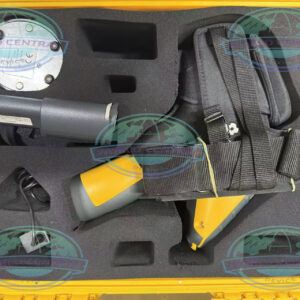
| Included Accessories | Carrying case, batteries, charger, argon cartridges, laser safety glasses |
| Optional Accessories | Bulk argon adapter, additional laser safety glasses |
Advantages Over Traditional OES Systems
Why Industries Prefer Handheld LIBS
| Feature | Niton Apollo LIBS | Traditional OES |
|---|---|---|
| Portability | Handheld | Large cart-mounted |
| Carbon Detection | Yes | Yes |
| Field Operation | Excellent | Limited |
| Analysis Speed | Fast | Moderate |
| Ease of Use | High | Moderate |
| Mobility | Excellent | Poor |
| Maintenance | Lower | Higher |
| Setup Time | Minimal | Extensive |
| Ideal for PMI | Yes | Limited portability |
Safety Features
Advanced Laser Protection System
The Niton Apollo incorporates multiple safety systems to protect operators and nearby personnel.
Included Safety Systems
- Chamber pressure interlock
- Spectral verification interlock
- Light/dark sensor interlock
- Laser safety eyewear
- Shielded carrying case

There are no reviews yet.